What we do
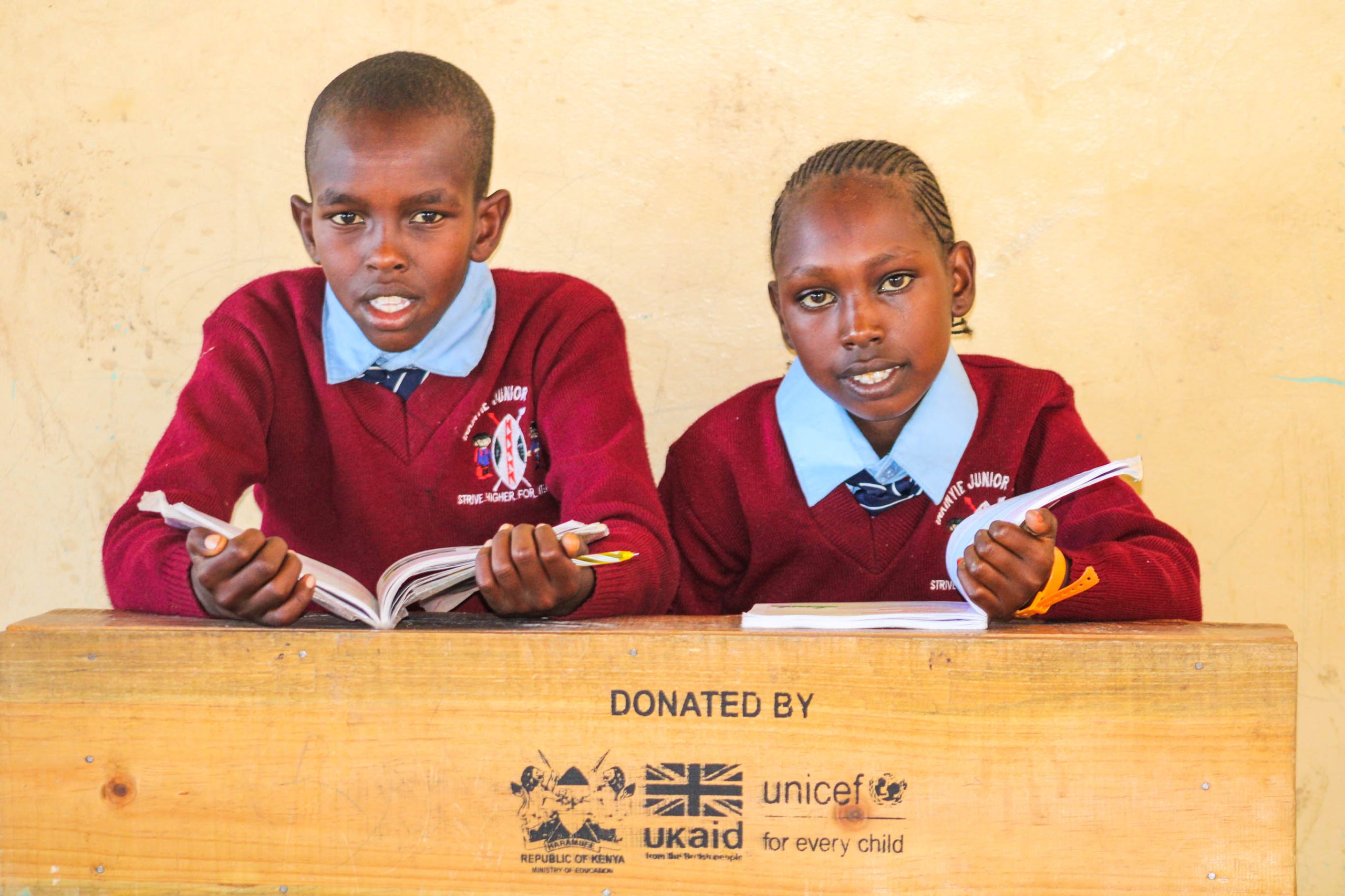
In Kajiado County, poverty, harmful cultural norms, and climate shocks continue to restrict girls’ access to quality education, exposing them to risks such as early marriage, FGM, and school dropout. Il’laramatak Community Concerns (ICC) responds through a holistic, gender-responsive approach that not only keeps girls in school but empowers them to succeed and lead.
Through targeted sponsorships, ICC removes financial barriers by providing school fees, uniforms, and essential learning materials, ensuring vulnerable girls remain focused on their education. Complementary academic support—including remedial classes, mentorship, and structured progress tracking—has led to improved performance, particularly in STEM, while strengthening confidence and ambition.
Beyond academics, ICC invests in safe, dignified learning environments by improving infrastructure, sanitation, and access to clean water—significantly reducing absenteeism and enhancing student well-being. Engagement with parents further strengthens accountability and long-term support for girls’ education.
Mentorship and life-skills training equip girls with resilience, leadership, and clear career pathways, enabling smooth transition to higher education and economic independence. By advancing access, retention, and success, ICC is transforming education into a powerful tool for protection, opportunity, and lasting gender equality.
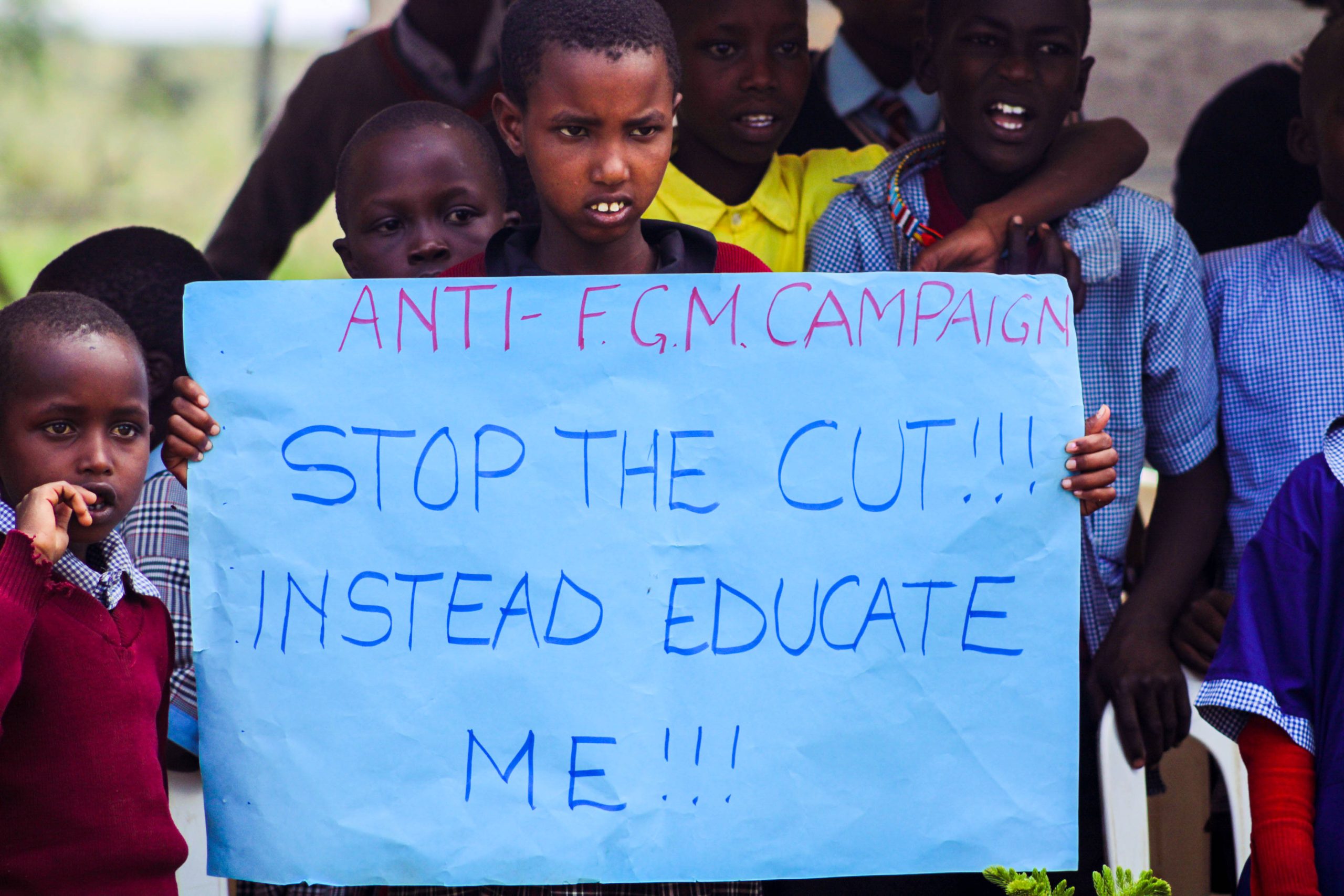
In Kajiado County, entrenched gender inequalities—including FGM, child and forced marriage, limited access to education, and widespread Gender-Based Violence (GBV)—continue to restrict the rights, safety, and opportunities of women and girls. Il’laramatak Community Concerns (ICC) addresses these challenges through a comprehensive, community-driven approach that integrates prevention, protection, and empowerment.
ICC facilitates inclusive community dialogues that engage elders, men, youth, and faith leaders to challenge harmful social norms and promote positive masculinity. Legal awareness initiatives strengthen understanding of women’s rights, reporting pathways, and access to justice, while survivor-centered support systems provide safe referrals, psychosocial care, and community-based follow-up.
Complementing these efforts, ICC advances women’s economic empowerment through entrepreneurship, financial literacy, and climate-smart livelihoods, enhancing resilience and decision-making power. Strategic advocacy with local leaders and institutions promotes gender-responsive governance and accountability.
These integrated interventions are driving measurable change—strengthening community protection systems, increasing reporting of GBV cases, improving household decision-making, and fostering collective responsibility to end violence.
ICC’s approach is building safer, more equitable communities where women and girls can live with dignity, exercise their rights, and shape their futures.
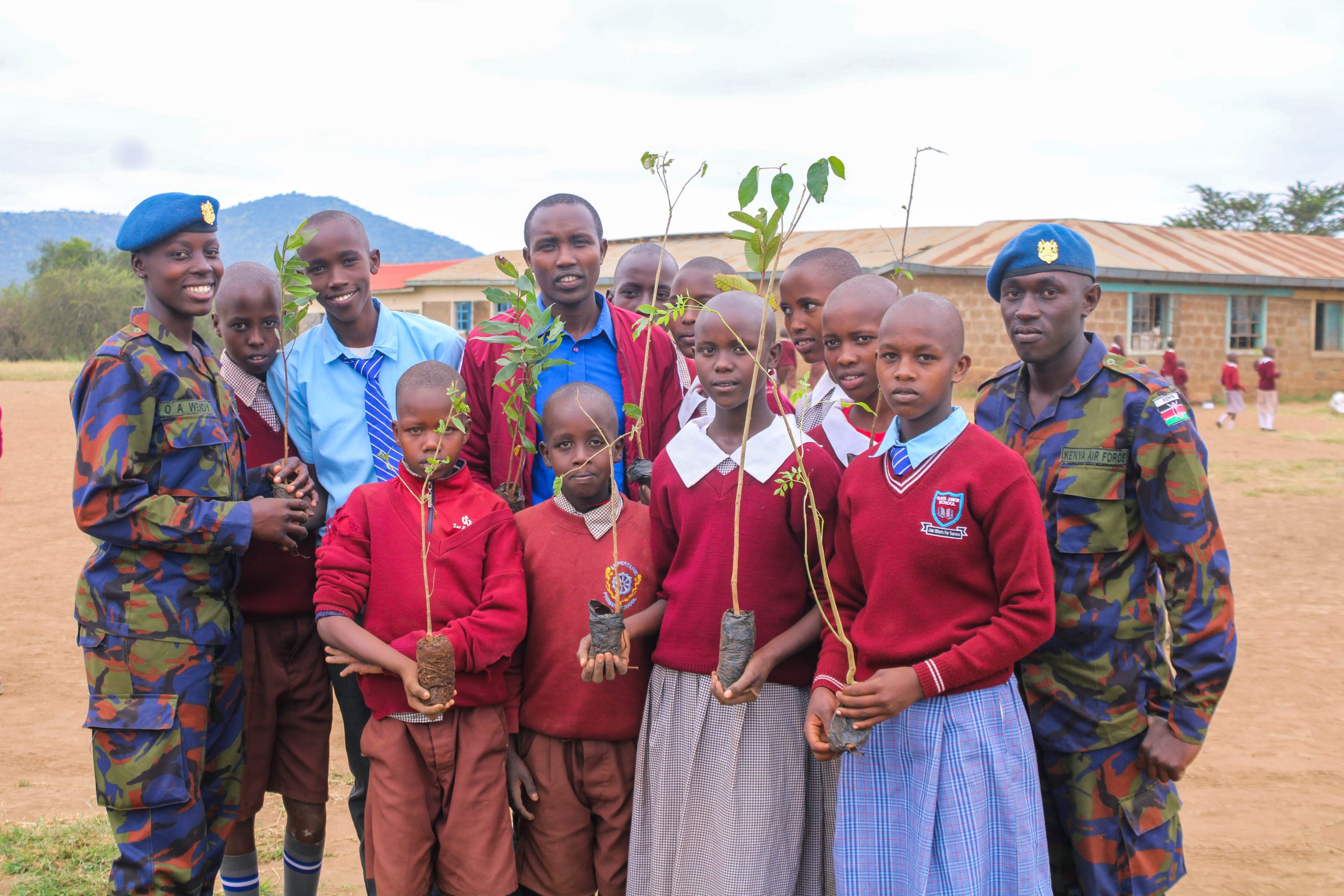
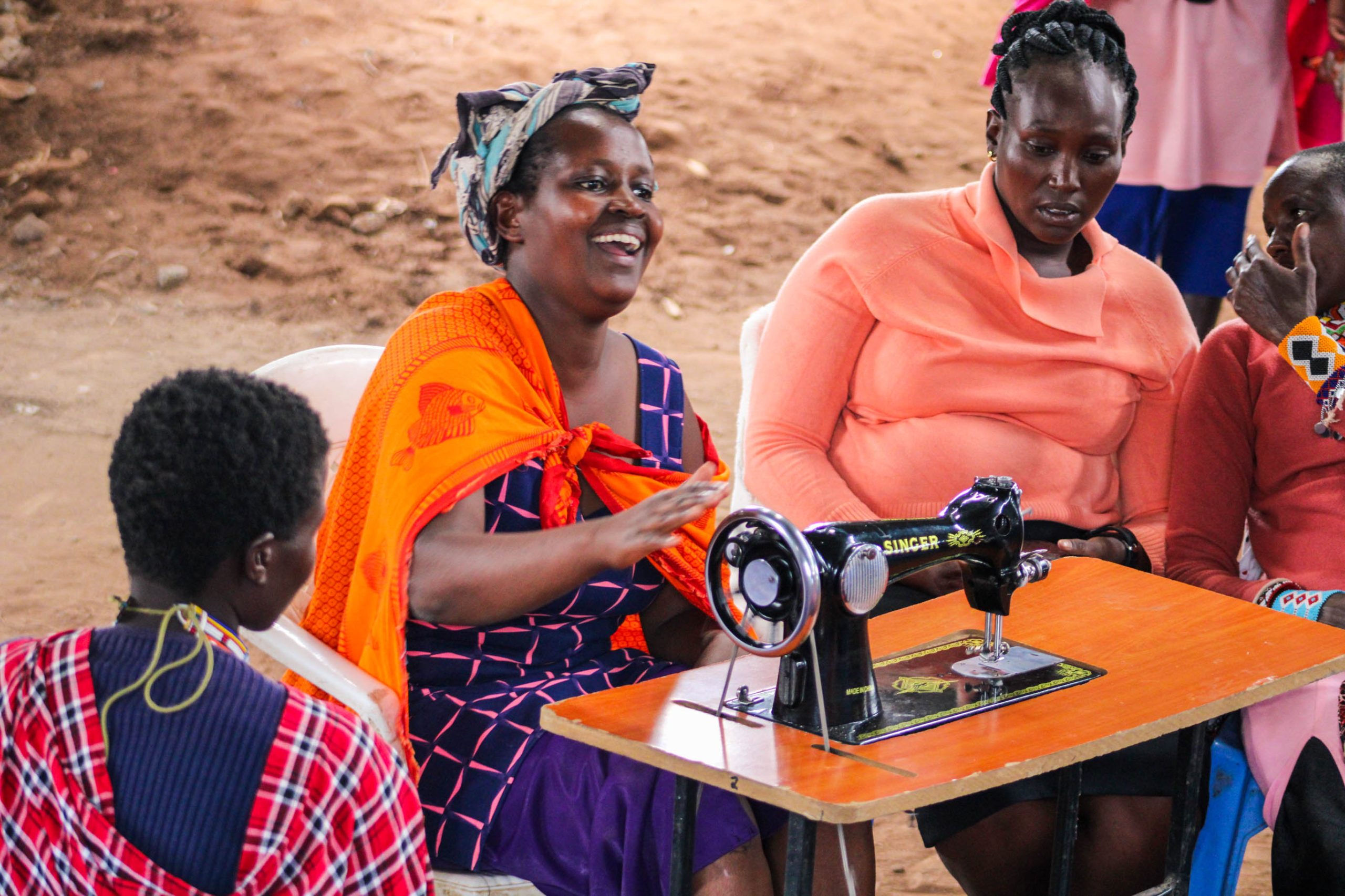
In Kajiado, systemic barriers such as limited access to finance, land, and formal employment continue to drive women’s economic vulnerability, reinforcing cycles of dependency and exposure to Gender-Based Violence (GBV). Il’laramatak Community Concerns (ICC) addresses these challenges through an integrated approach that builds financial independence, strengthens resilience, and restores agency.
By equipping women with practical skills in entrepreneurship, tailoring, and climate-smart agriculture, ICC enables the transition from subsistence to sustainable income generation. Climate-resilient practices, including multi-storey gardening, have transformed households into food-secure hubs while creating surplus produce for income, strengthening both nutrition and financial stability.
Complementing this, ICC fosters entrepreneurship and savings growth through financial literacy and business development support, empowering women to scale ventures and build collective economic strength. Digital inclusion initiatives further unlock access to financial services, market information, and new opportunities, turning mobile technology into a tool for empowerment.
At the same time, investments in water access reduce time poverty and physical burden, allowing women to focus on productive and income-generating activities. Through this holistic model, ICC is cultivating a generation of women who are economically independent, resilient, and equipped to lead transformative change in their communities.